 Software Karkhana





Choosing what not to build
The first evening went on decisions, not code. We read the feature list as a contract and wrote tests against its exact "done when" checks. We asked four questions that shape a repository: how big is the team, what Google Cloud state do we start from, which Google template do we build on, which stack. The answers were five or more people, no project yet, the Agent Starter Pack, and Python with React.
Then we checked which Gemini models actually exist this week. Gemini 2.5 was set to retire on 16 October, in the middle of the hackathon, so we chose Gemini 3 Flash for the coding loop and Pro for planning and review, and added a make check-models command so nobody ships a retired model ID.
The stack, and why each piece earned its place
- FastAPI on Cloud Run as one modular monolith: layers import downward only, and it scales to zero.
- Cloud SQL Postgres with pgvector: tenants, the ledger and vector search in one database, one fewer service to run.
- Firebase Auth for sign-in, but the role always comes from our database, never from the token, so nobody can promote themselves.
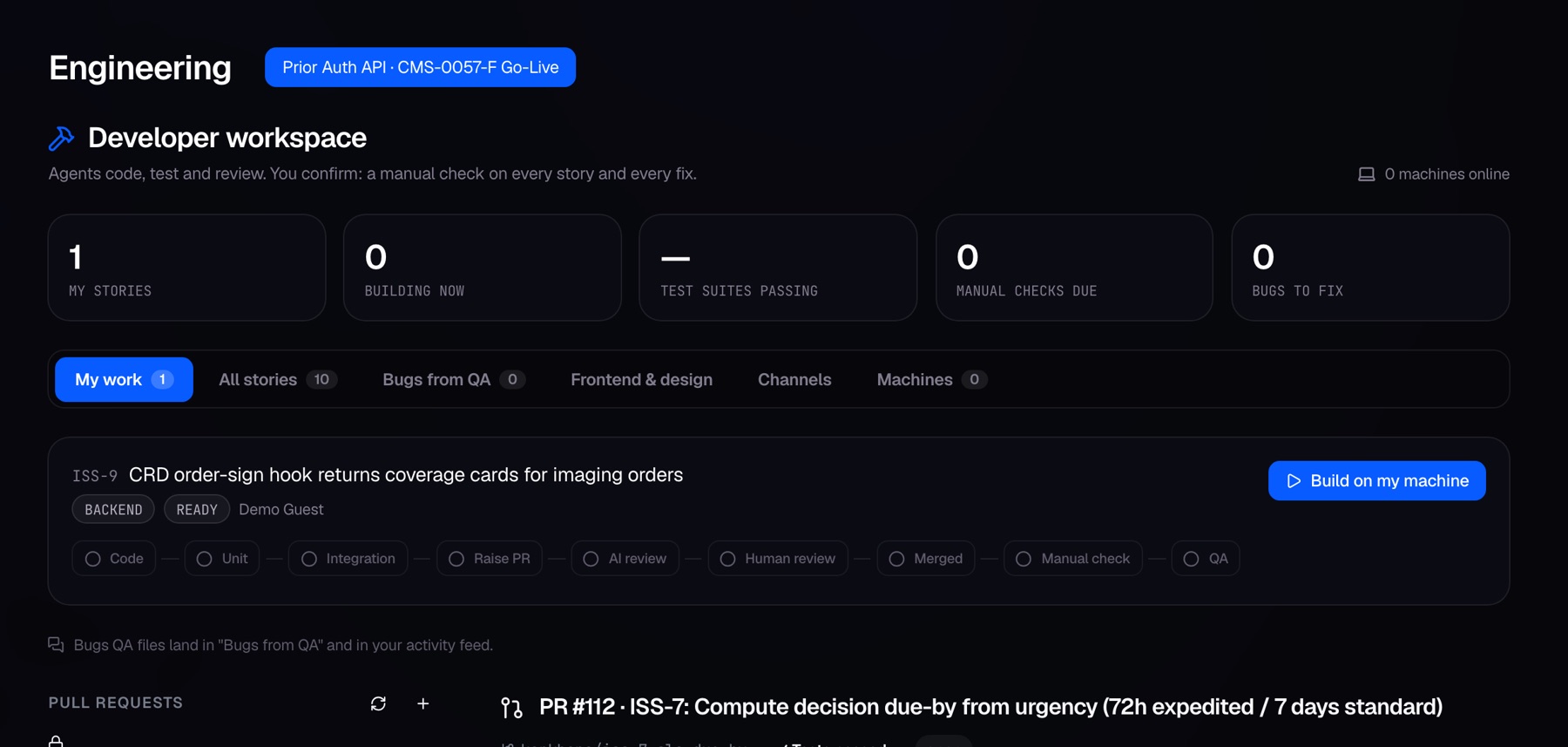
- Google ADK for the Coder: exactly five tools, list, read, edit, write and test. No shell, no network, no git.
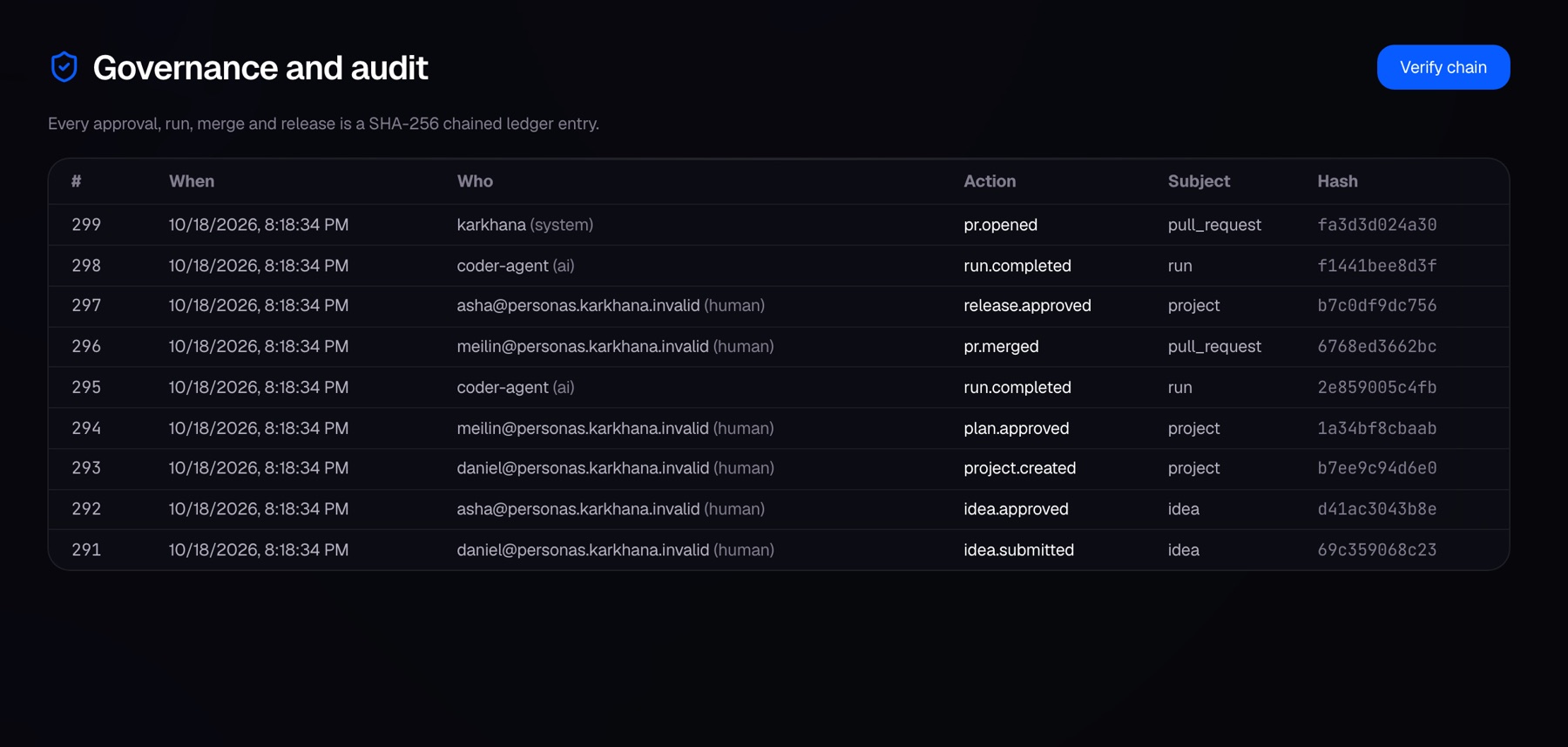
- A hash-chained ledger: every approval, run and merge links to the one before it, so any edit is detectable.